Restrict or Truly Ban?
The government is proposing to limit deadly rodenticides to "authorised users" — but farmers and "authorised users" will still be poisoning our wildlife. Have your say before to demand a nationwide ban.
Send Your LetterA Win — With a Dangerous Loophole
After years of campaigning, the APVMA enacted a 12-month suspension of Second Generation Anticoagulant Rodenticides (SGARs) effective from 10 March 2026, acknowledging what scientists have documented for decades: SGARs are killing Australia's owls, eagles, possums, and reptiles through secondary poisoning.
But the battle isn't over. The Australian Pesticides and Veterinary Medicines Authority (APVMA) is now consulting on whether to declare SGARs as Restricted Chemical Products (RCPs) — a classification that would limit their use to "authorised users" such as licensed controllers and farmers. That is not a ban. It is a loophole wide enough to maintain the mass poisoning of wildlife.
Read the Discussion PaperWhat we're demanding
We are calling on the APVMA to go beyond reclassification and commit to a 24-month phase-out of all SGAR products — not just restrictions on who can buy or use them. Restricting access to professionals does nothing to stop an owl from eating a poisoned rat found on a farm or in a shopping centre car park.
Why Restriction Isn't Enough
Declaring SGARs as Restricted Chemical Products sounds like progress — but the loopholes it creates will keep the wildlife death toll climbing. Here's what the APVMA isn't telling you.
The 'Authorised User' Loophole
A Restricted Chemical Product status restricts purchase and use to licensed controllers and farmers — but these are the same operators who are placing SGARs in parks, warehouses, farms, and suburban green spaces right now. An owl eating a poisoned rat on a rural property doesn't know the bait was placed by a licensed professional. Secondary poisoning does not check credentials. The volume of poison in the environment would remain high under an RCP framework.
The Enforcement Illusion
State EPAs already require that outdoor baiting follow label restrictions designed to protect non-target species. These rules are almost never enforced — wildlife agencies lack the resources and mandate to audit the thousands of bait stations deployed each year. Adding another licensing tier will not change this reality.
Industry Is Lobbying Hard
Chemical manufacturers and the pesticides industry are filing detailed submissions arguing that RCP status preserves their market while satisfying regulators. Their preferred outcome is the status quo with extra paperwork. Your submission is the counter-weight — the APVMA must hear from the public, not just industry.
"We simply must do better. Until access to these compounds is meaningfully restricted, secondary poisoning will remain an inevitable - and entirely preventable - outcome. Many native animals will continue to die slow and painful deaths"
Protecting Australian Wildlife
From the suburbs of Sydney to the forests of Tasmania, SGARs do not discriminate. They kill any predator who eats a poisoned rodent.
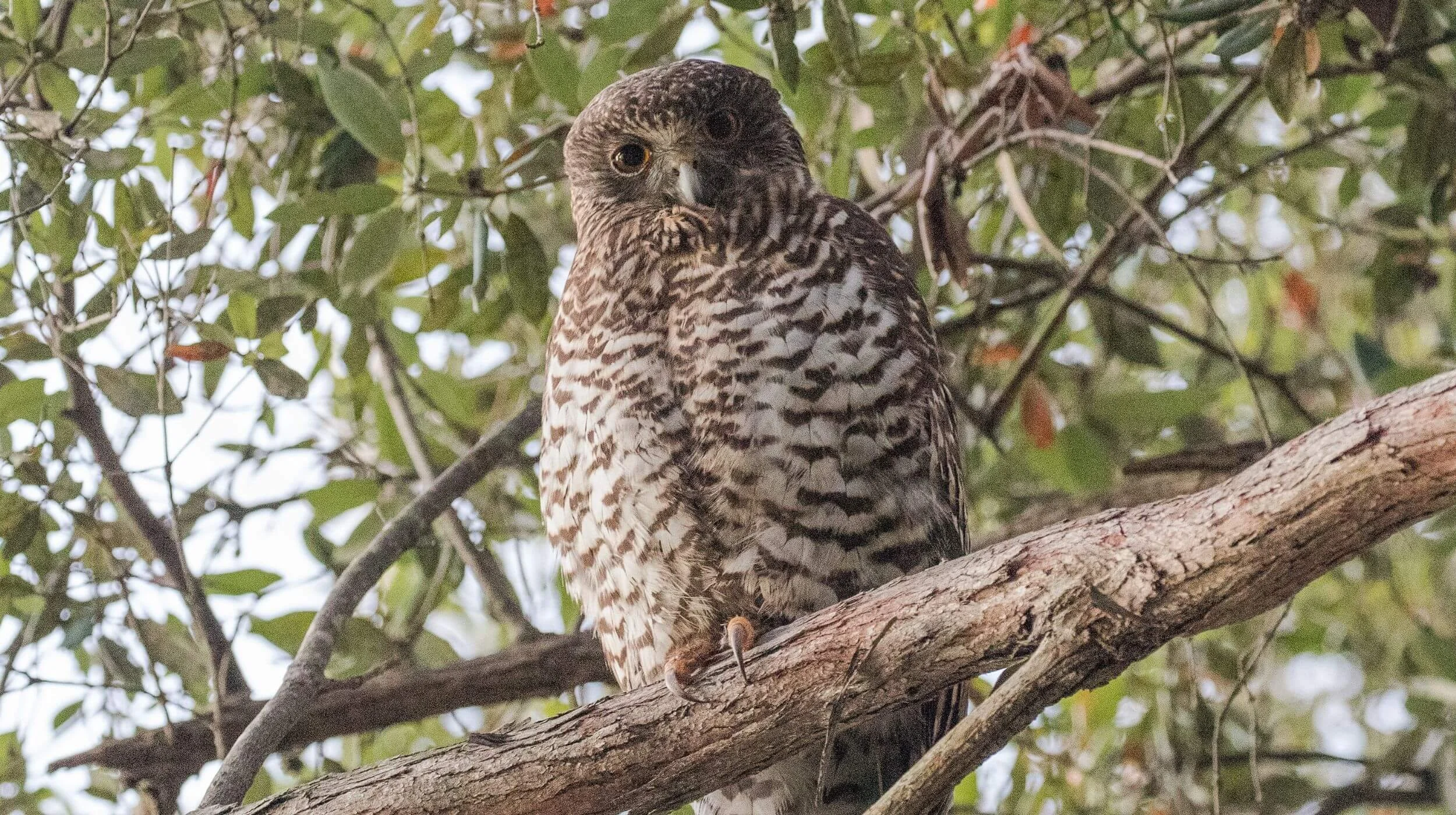
Powerful Owls
Australia's largest owl. Studies show over 90% of tested owls contain anticoagulant poisons in their systems.

Birds of Prey
Eagles, kites, and goshawks are frequently brought into wildlife hospitals with internal bleeding.

Native Mammals
Possums and bandicoots are often attracted to the baits themselves, leading to direct poisoning.

Kookaburras
Secondary poisoning through eating contaminated prey destroys their ability to hunt and care for young.
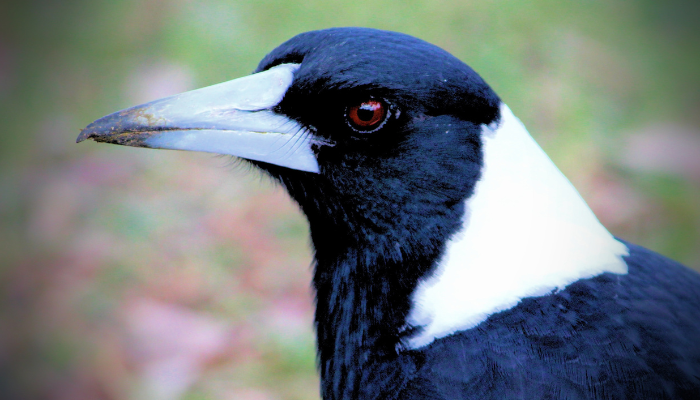
Magpies
Opportunistic feeding makes them highly vulnerable to consuming poisoned rodents in urban areas.

Reptiles
Snakes and goannas are vital natural rodent controllers, but eating poisoned mice is often fatal.
Write to the APVMA Now
Your submission tells decision-makers that Australians demand a complete 24-month phase-out of SGARs — not a restricted-use licence that keeps wildlife in the firing line.
Join others calling for a complete phase-out today
Why your submission counts
- The APVMA is required to assess the volume and breadth of public feedback — the more submission, the stronger the signal to decision-makers
- Demand a complete 24-month phase-out — not just restricted access for 'authorised users', which keeps wildlife at risk
- Reference your local area to show that support for a ban spans urban, regional, and rural Australia
- The APVMA's timeline is short — sending a letter now means your voice is on the record before submissions close
The template submission covers all the key points: the inadequacy of the reclassification, the secondary poisoning mechanism, the need for a 24-month phase-out, and support for non-toxic and wildlife-friendly alternatives. You can send it as-is or edit it to add your own experience.
Your details are used to send your submission to the APVMA and will be handled in accordance with our privacy policy.
Common Questions
What the the APVMA consultation means, why restricted-use isn't enough, and how your letter can make a difference.
A Restricted Chemical Product (RCP) declaration means a pesticide can only be purchased and used by a licensed "authorised user" — typically a licensed controller or an agricultural operator. The Australian Pesticides and Veterinary Medicines Authority (APVMA) is now consulting on whether to apply this classification to SGARs following the APVMA's 12-month suspension effective from 10 March 2026. An RCP declaration does not remove SGARs from the market — it simply adds a licensing layer before they can be used.
Secondary poisoning does not discriminate by who placed the bait. Licensed controllers and farmers already use SGARs across Australia — they account for the vast majority of bait stations in parks, warehouses, farms, and suburban green spaces. Restricting domestic consumer access has some benefit, but it does almost nothing to reduce the total volume of poison entering the food chain. An owl eating a rat poisoned by a professional's bait station dies just as surely as one who ate a rat poisoned by a consumer product from a supermarket or hardware store.
We are demanding that the APVMA use the RCP consultation to recommend a complete 24-month phase-out of all SGAR products in all settings. A 24-month transition window gives agricultural and control operators sufficient time to adopt proven alternatives. Two years is consistent with similar regulatory transitions undertaken in the UK, New Zealand, and Canada.
Yes. Public consultations on RCP declarations are a formal regulatory process. The APVMA is required to document the public response and factor it into its recommendation to the Minister. The pesticides and agriculture industries will file detailed, well-resourced submissions arguing for a minimal outcome. The only counter-weight is the volume and quality of submissions from the public. Every submission on record strengthens the case for a genuine phase-out and makes it politically harder to ignore community expectations.
Spread the Word
The pesticides industry is lobbying hard. Share this campaign to help us match their influence — or chip in to help us reach more Australians.