The crisis is not only the disaster. It is the lack of a plan.
Fires, floods, cyclones, droughts and heatwaves have repeatedly exposed the same failure: animals are affected at scale, but animal welfare is still not built into national disaster planning.
Selected documented events · animal impacts · source context below
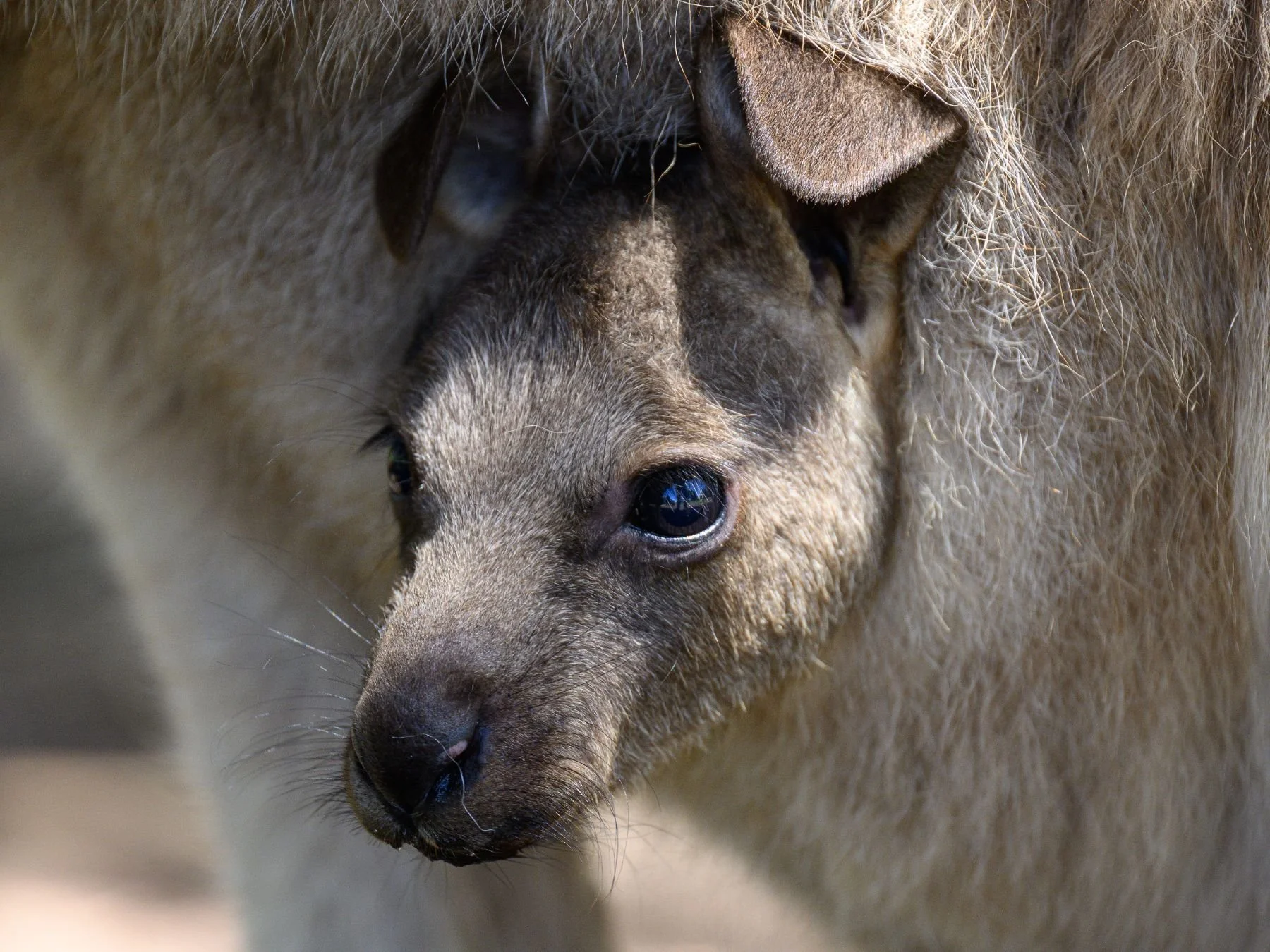
This page connects the animal impacts of major disasters to a national policy gap that can be fixed before the next emergency.
Estimated animals killed or displaced during the Black Summer bushfires.
Families can face impossible choices when emergency systems do not accommodate animals.
Fires, floods and droughts can leave animals behind fences without timely evacuation or care.
Australia still lacks a dedicated national animal disaster welfare framework.
A timeline of animal impacts, not isolated tragedies.
Use the map as an evidence explorer: filter by year or disaster type, select a point to read the animal impact story, or choose an event from the list. The interface is designed to reveal pattern, not just place.
Source context: this map is an evidence sample, not a complete national casualty database. A neutral evidence canvas is used inside the dark campaign frame so locations, filters and selected events remain easy to read without implying that unmapped locations were unaffected.
See the solutionDifferent animals face different risks. The planning gap is the same.
These anchors connect the Overview page to the evidence backbone: companion animals, farmed animals and wildlife are all affected by disaster systems that still treat animal welfare as optional.
Companion animals
No one should be forced to leave family behind during evacuation.
- What happens now
- People may delay evacuation or face separation when shelters, transport and warnings do not account for animals.
- What needs to change
- Emergency plans should include animals in evacuation, temporary shelter, reunion systems and public communication.
Farmed animals
Animals trapped behind fences need a plan before roads close.
- What happens now
- Animals can be left without feed, water, veterinary care or humane evacuation pathways when disasters escalate quickly.
- What needs to change
- Preparedness should include early risk triggers, transport options, feed and water continuity, and emergency veterinary support.
Wildlife
Wildlife carers cannot be the whole disaster system.
- What happens now
- Volunteer carers and rescuers are often left carrying the animal welfare response after fires, floods and heatwaves.
- What needs to change
- Wildlife rescue needs funded coordination, triage, training and recovery capacity built into disaster planning.
This is evidence for a system failure, not a list of isolated disasters.
The timeline is deliberately selective. It now includes per-event source links and focuses on events where animal impacts were documented strongly enough to show the policy pattern: animals are affected before, during and after emergencies, but animal welfare planning remains fragmented.
The strongest campaign argument is not that every event is identical. It is that the same preparedness gaps keep appearing across different disaster types and animal groups.
View sources and methodology for the event index, confidence framework and source trail behind the current reviewed map dataset.
- Use the map to show recurring animal impacts across disaster types.
- Use the three animal-group anchors to explain who is affected and what needs to change.
- Use the Solution page to move from evidence to practical reform.
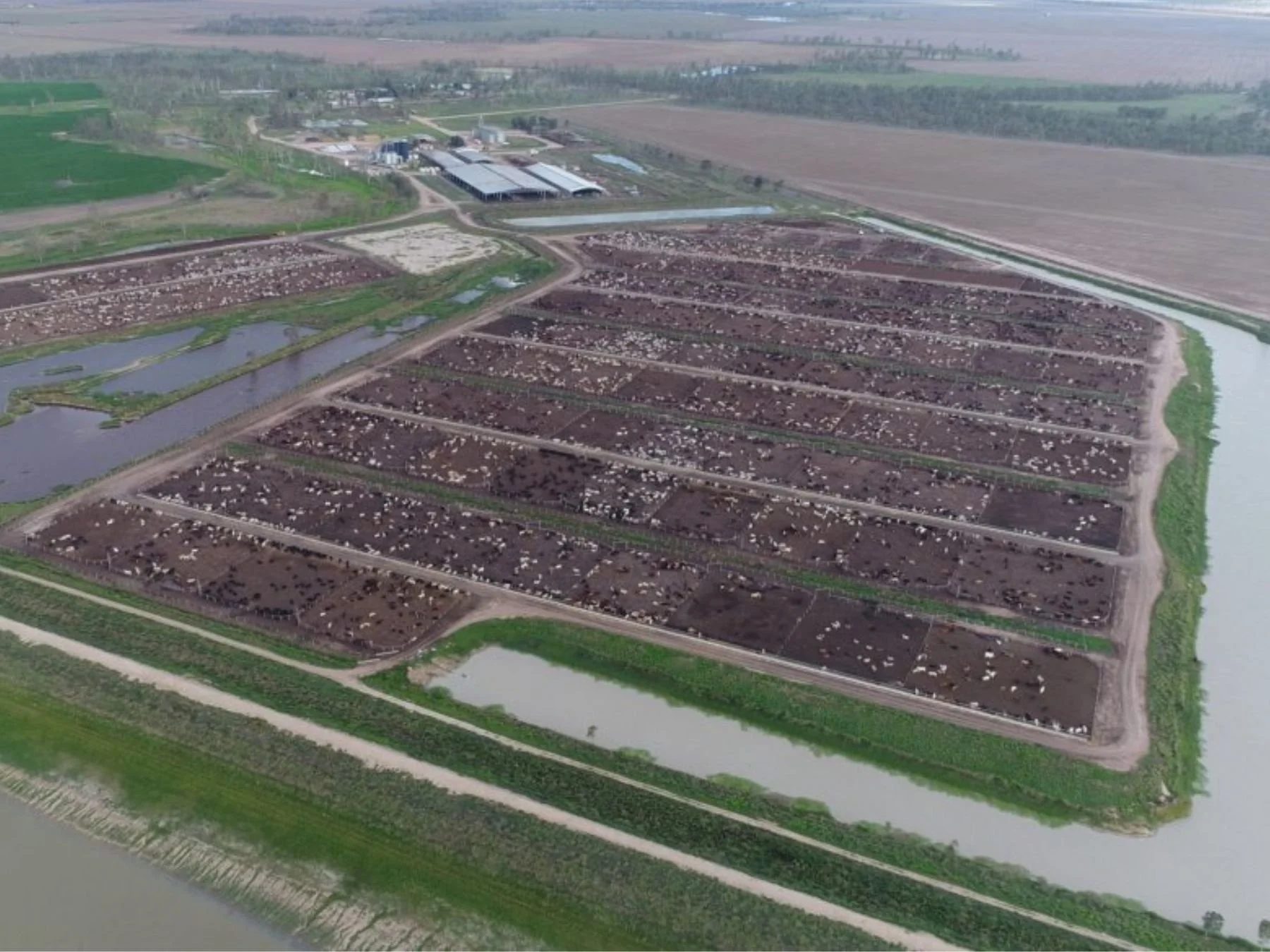
The evidence points to a fix.
Australia can build animal welfare into emergency planning, funding and accountability before the next fire, flood or storm puts animals at risk again.
Then send a ready-to-edit email to the Minister.