
The End of Rat Poisons?
The APVMA consultation closed on 16 March 2026. Thank you to everyone who submitted — your voice is now on the federal record.
Continue the CampaignVictory Is in Sight
For years, communities across the country have campaigned to stop the silent poisoning of Australia's native wildlife. Now, the Australian Pesticides and Veterinary Medicines Authority (APVMA) has listened.
The APVMA has released a Proposed Regulatory Decision to suspend Second Generation Anticoagulant Rodenticides (SGARs). This acknowledges what the science has shown for decades: these poisons are killing a wide range of Australian animals, including owls, eagles, and possums.
Read the Official APVMA DecisionWhat does "suspension" mean?
A suspension stops the supply of these poisons, but chemical companies can appeal or propose "risk mitigation" strategies. We are arguing that labels don't work and a total ban is the only safe option.
Why Your Support Mattered
The consultation gave Australians a direct opportunity to shape how rat poisons are regulated. Here is why the campaign was critical.
Immediate Relief
The proposed suspension would stop the sale of these poisons from shelves immediately, preventing thousands of wildlife deaths each year. The APVMA's own analysis confirms that current risk mitigation measures are inadequate — this is the regulatory system working as it should.
Corporate Pushback
Control companies and chemical manufacturers are already mobilising. They argue these poisons are "essential" and are lobbying to weaken the decision.
Closing the Loophole
A key danger is that "Professional Use" might remain legal. We must ensure the ban applies to all open spaces — owls don't know who placed the poison.
"We simply must do better."
Until access to these compounds is meaningfully restricted, secondary poisoning will remain an inevitable — and entirely preventable — outcome.
Many native animals will continue to die slow and painful deaths.
This contamination is not accidental — it is the direct and predictable consequence of a product remaining on shelves. Hundreds of Australians made that case to the APVMA. The record is now closed.
Protecting Australian Wildlife
From the suburbs of Sydney to the forests of Tasmania, SGARs do not discriminate. They kill any predator who eats a poisoned rodent.
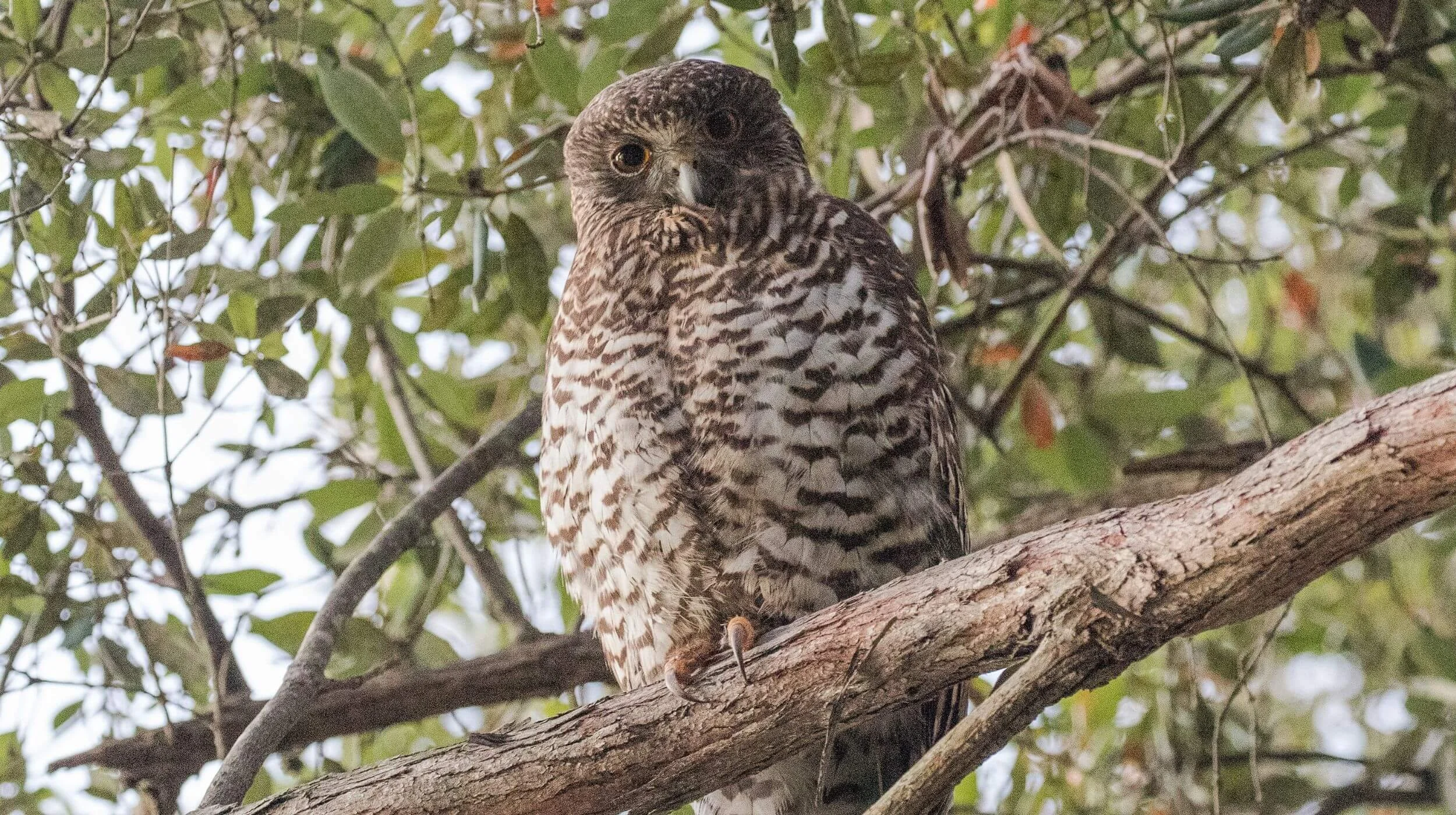
Powerful Owls
Australia's largest owl. Studies show over 90% of tested owls contain anticoagulant poisons in their systems.
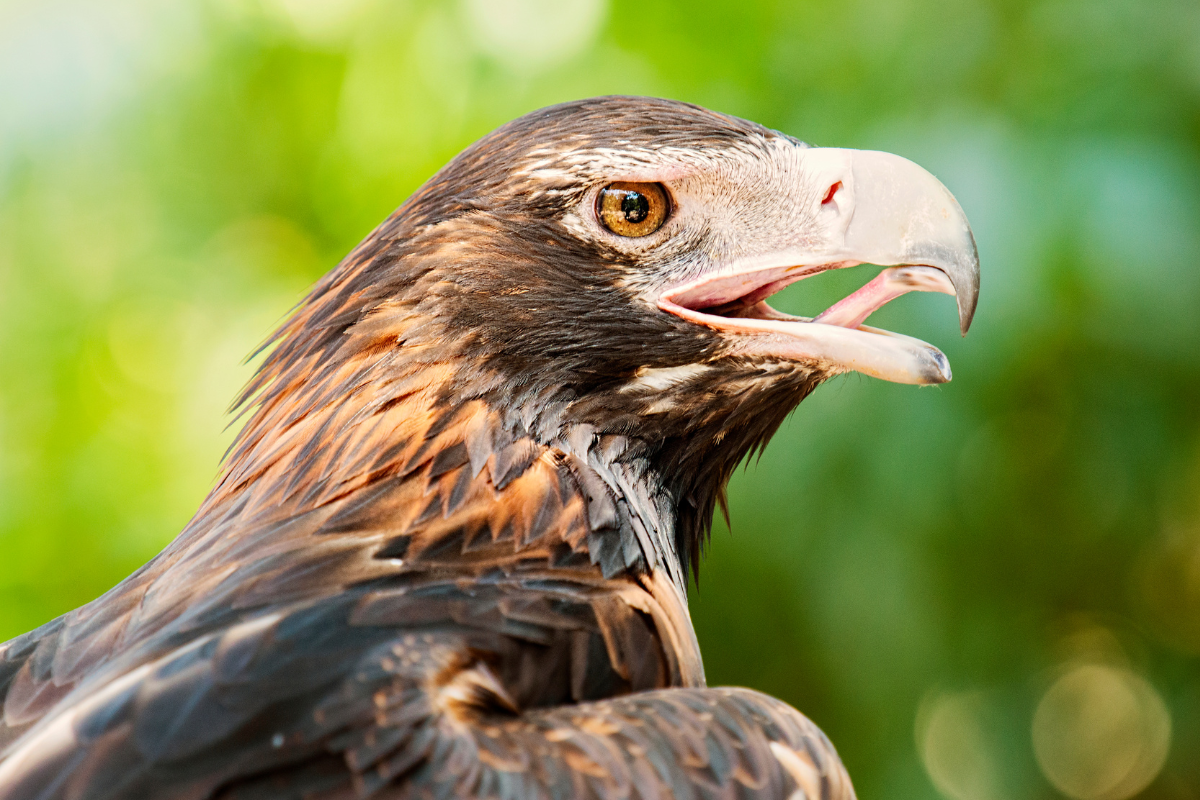
Birds of Prey
Eagles, kites, and goshawks are frequently brought into wildlife hospitals with incurable internal bleeding.
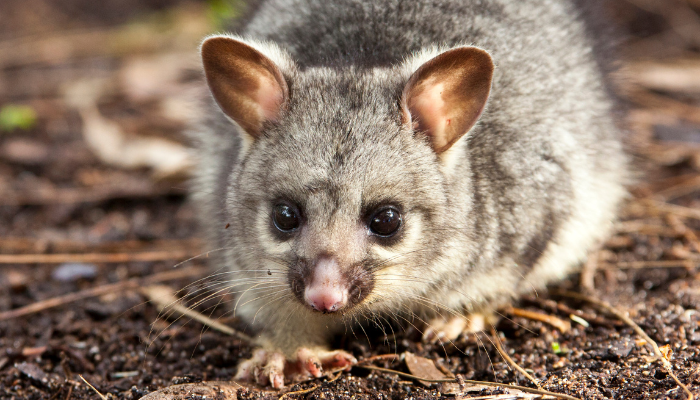
Native Mammals
Possums and bandicoots are often attracted to the baits themselves, leading to direct poisoning.
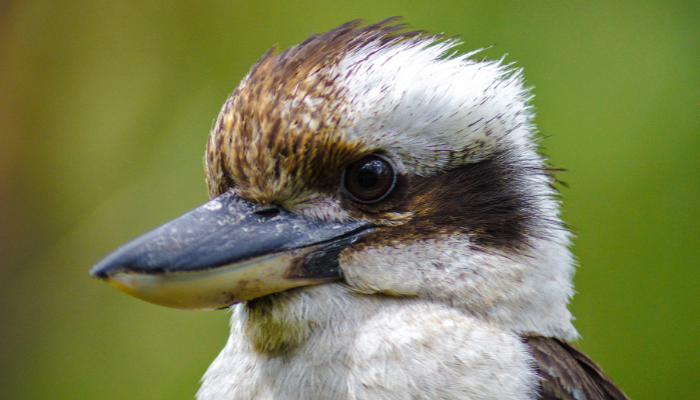
Kookaburras
Secondary poisoning through eating contaminated prey destroys their ability to hunt and care for young.
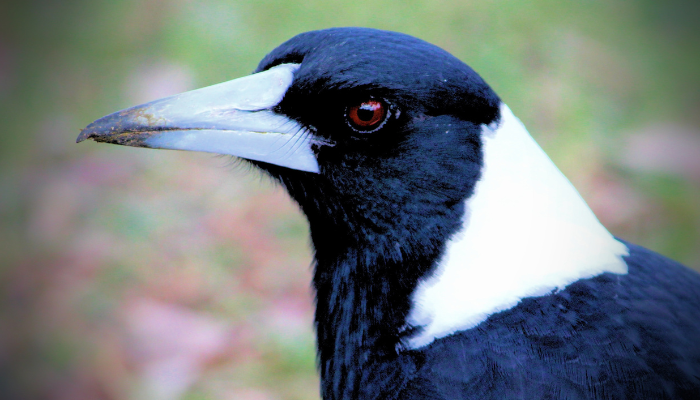
Magpies
Opportunistic feeding makes them highly vulnerable to consuming poisoned rodents in urban areas.
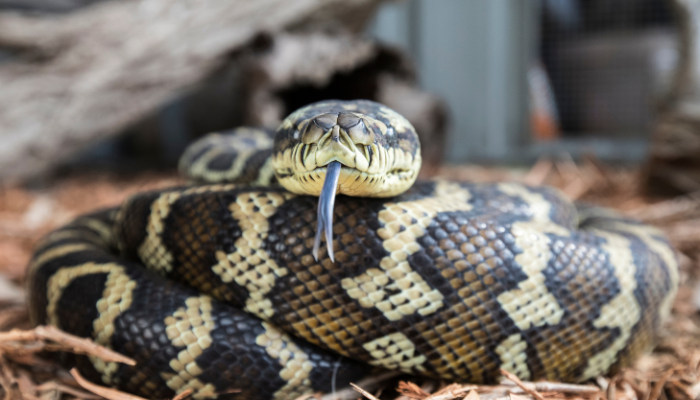
Reptiles
Snakes, goannas and other reptiles are vital natural rodent controllers, but eating poisoned mice can be fatal.
Thank You for Your Support
The APVMA consultation has now closed. Hundreds of Australians submitted personalised letters demanding a permanent ban on SGARs — your voice is now on the federal record.
What happens next
- The APVMA will now review all submissions before issuing a final regulatory decision
- Chemical manufacturers have already signalled they will appeal — continued public pressure matters
- Stay connected to be among the first to know the outcome and respond to any follow-up action needed
Campaign run by Animal Liberation · www.al.org.au/ban-rat-poisons
Common Questions
What the APVMA review means and how the submissions made a difference.
The APVMA has proposed to suspend the registration of SGAR products for domestic use and restrict their use in other settings. This is a preliminary step that usually leads to cancellation (a ban), but it requires public support to be finalised.
Not necessarily. A suspension stops the supply, but chemical companies can appeal or propose "risk mitigation" strategies (like clearer labels) to avoid a ban. We are arguing that labels don't work and a total ban is the only safe option.
Owls don't know who placed the poison. If a professional lays SGAR baits, poisoned rats still enter the food chain. We need to stop the use of these chemicals in all open spaces, regardless of who deploys them.
Yes. The APVMA is required by law to consider all public submissions received during the consultation period. The 800+ unique submissions made through this campaign are now on the federal record and must be considered in the APVMA's final decision. Unique, personalised submissions carry significantly more weight than template letters, which is why this approach was used.
Spread the Word
Don't let the industry lobby win in the dark. Share this campaign or chip in to help us reach more Australians.