When disasters strike, animals are still left out of the plan.
Fires, floods and storms separate families from companion animals, leave farmed animals trapped, and overwhelm wildlife rescuers. Australia can plan better — before the next disaster strikes.
Takes less than 2 minutes · editable email provided
Preparedness should protect animals before the danger arrives — not leave families, rescuers and carers to improvise after the crisis begins.
Animals estimated to have been killed or displaced during the 2019–20 bushfires.
Families still face inconsistent support when evacuation centres, transport and warnings do not include animals.
Volunteer rescue networks are left carrying disaster response without enough funded coordination or recovery capacity.
National animal disaster law currently in place to require animal welfare planning, reporting and accountability.
Explore the evidence map and national plan to see the source context behind these findings, or review the sources and methodology.
Animals are affected at every stage of a disaster.
A credible disaster system must plan before the emergency, coordinate during the crisis, and account for animal lives after the event. Right now, Australia’s approach remains uneven, underfunded and too often reactive.
No one should be forced to leave family behind.
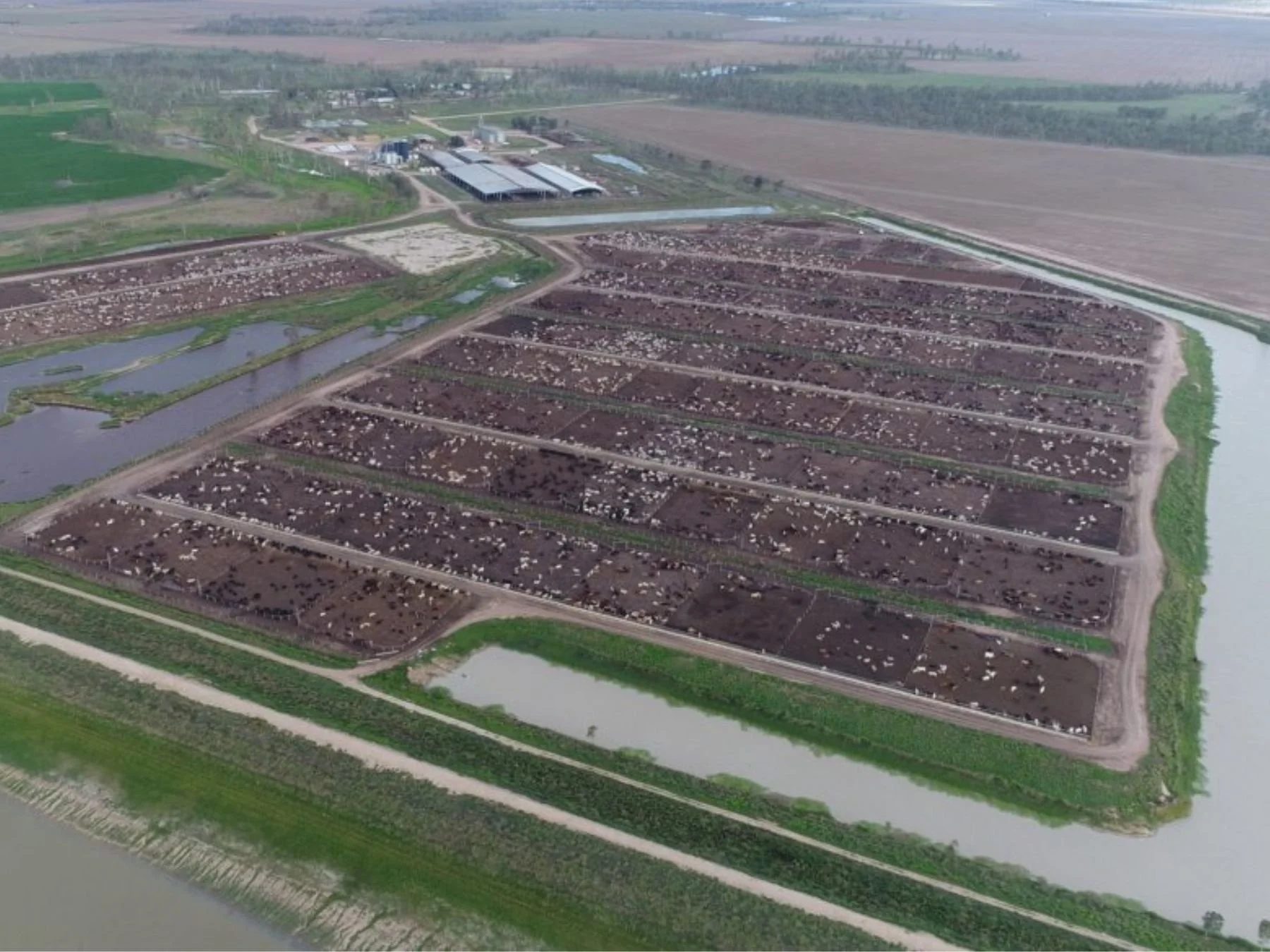
Animals trapped behind fences need a plan before roads close.
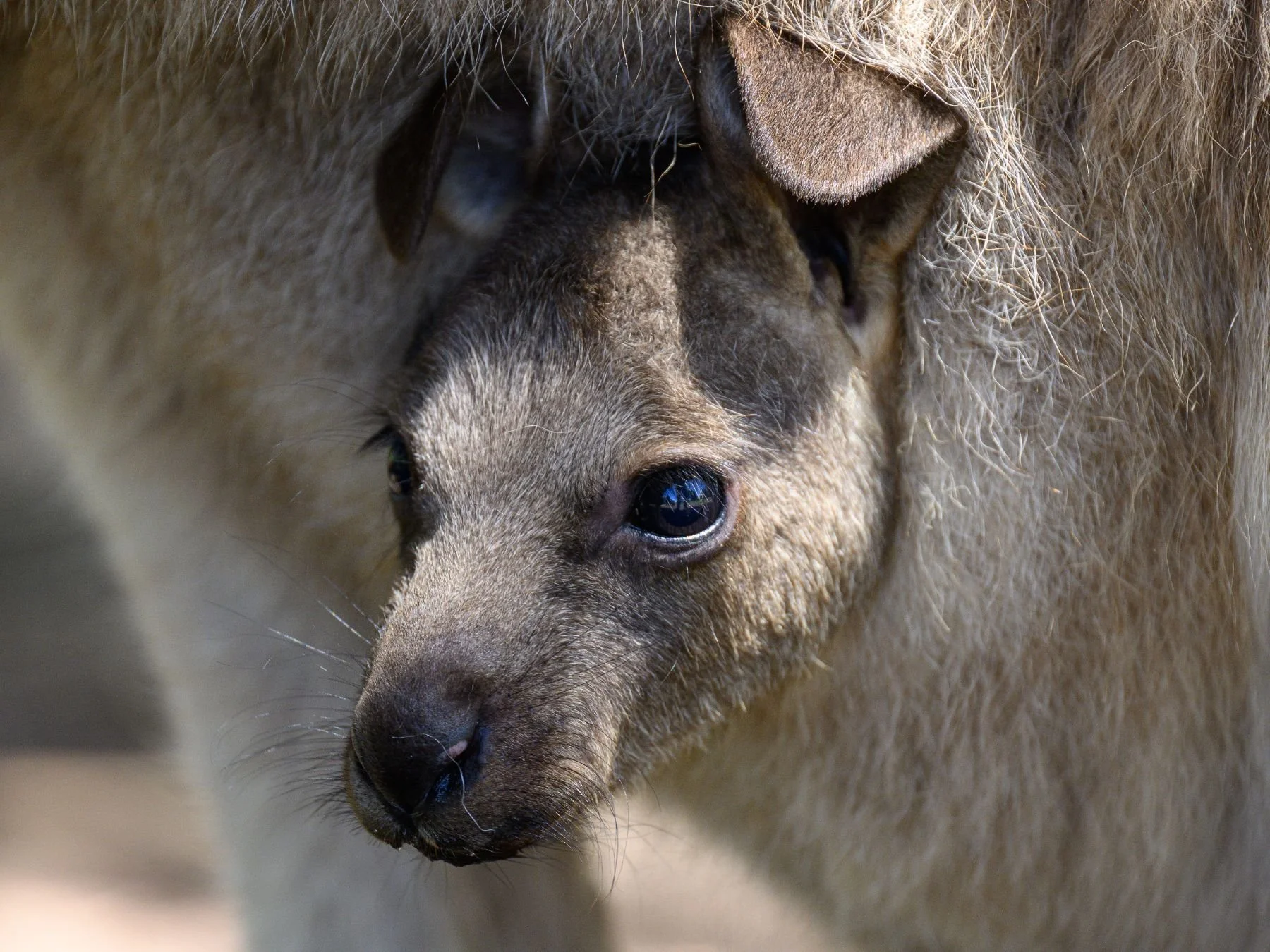
Wildlife carers cannot be the whole disaster system.
Disasters are no longer rare. Animal suffering should not be inevitable.
“It’s a monstrous event in terms of geography and the number of individual animals affected… we can’t allow catastrophes of this magnitude to continue.”
Professor Chris Dickman · University of Sydney · Black Summer wildlife impact commentary · View source context · Sources & methodology
The evidence is not just about the scale of past disasters. It shows why animal welfare must be built into emergency planning before the next fire, flood or storm.
Disasters are not isolated tragedies. They are recurring, foreseeable events that require animal welfare to be built into emergency management before the next crisis.
Three steps to help protect animals before the next disaster.
Start with the evidence, read the practical solution, then use your voice to ask decision-makers to act.
See what animals face
Understand how disasters affect companion animals, farmed animals and wildlife — and why fragmented emergency planning leaves animals exposed.
Open the evidence map 02Read the solution
Review the practical national framework Animal Liberation is calling for: legislation, funding, coordination and mandatory animal impact reporting.
Read the plan 03Email the Minister
Ask decision-makers to make animal welfare part of disaster planning, funding and accountability before the next emergency hits.
Takes less than 2 minutes Email the MinisterThe ask is simple: plan for animals before disaster strikes.
Your email asks for practical, achievable changes — not vague promises — that can be built into emergency planning, funding and reporting before the next disaster arrives.
Companion animals, horses and animals in care should be included in evacuation systems, transport planning and emergency shelter guidance.
Animal-inclusive evacuation planningWildlife rescue should have funded coordination, trained capacity and clear triage pathways, rather than relying on overstretched volunteers after every emergency.
Funded wildlife rescue coordinationGovernments should be required to report animal casualties, response outcomes and how emergency plans protected animals before, during and after disaster.
Mandatory animal impact reportingEmergency funding should require animal welfare planning before disaster strikes, so protection is built into preparedness rather than improvised after harm occurs.
Disaster funding tied to animal welfareBefore the next disaster, animals need a plan.
Send a ready-to-edit email asking the Minister to make animal welfare part of emergency planning, funding and accountability before the next fire, flood or storm.
Takes less than 2 minutes · editable message provided